In every corner of the world , no space is left where YOU cannot find bacteria in open atmosphere.In our mouth there are many types of bacteria types found but they did not harm us due to the environmental condition of our mouth, some survived, but some cannot. Some survived in acidic condition and some in alkaline , during day time saliva continuously coming and we swallow it again and again and the bacteria present in our mouth goes to our stomach and this helps to prevent tooth from harmful effects of bacteria that is caries, because as we swallow the saliva, the bacteria also swallowed and this process continuously occur ,but during night there is no secretion of saliva andwhen we eat food, the food get stuck in between teeth and many person, I think almost 90% of the population has not habit of doing brush at night,
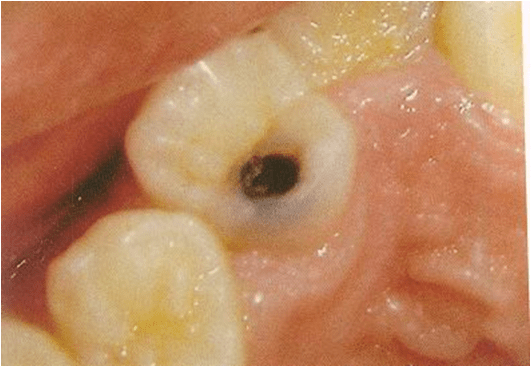
so all the problems starts from here, it all helps bacteria to grow because first we give them food and not having habit of brushing, so the bacteria enjoy food and release acids and multiply which demineralised your teeth and this we called as caries and in local language (kida).
only one thing you have to do to keep away yourself from caries and that is only brushing before go to bed at night.
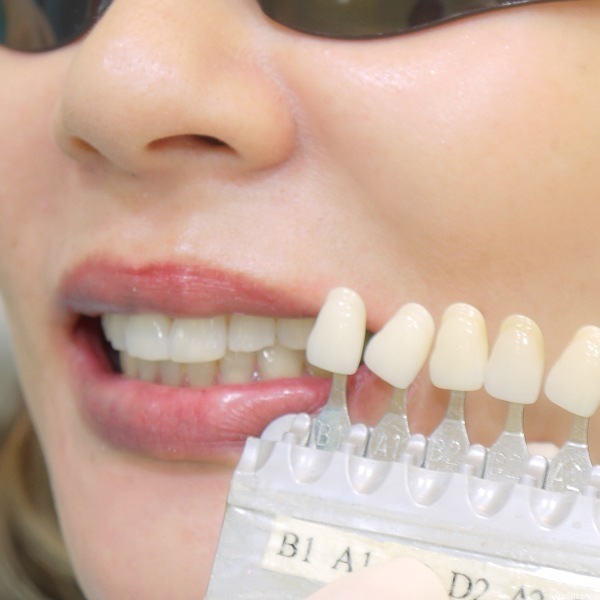
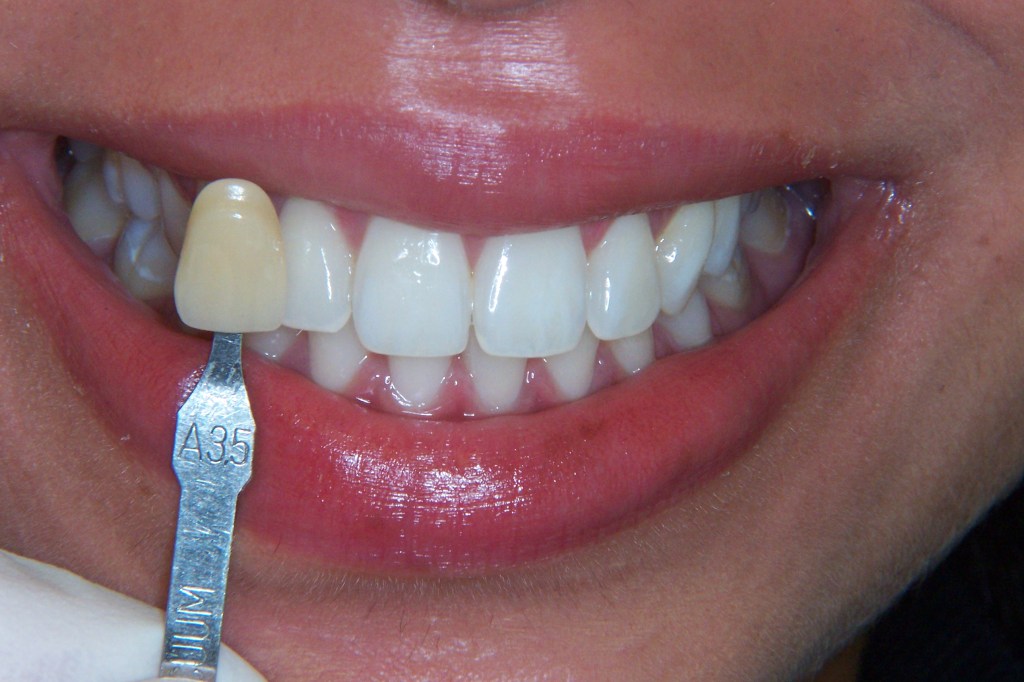
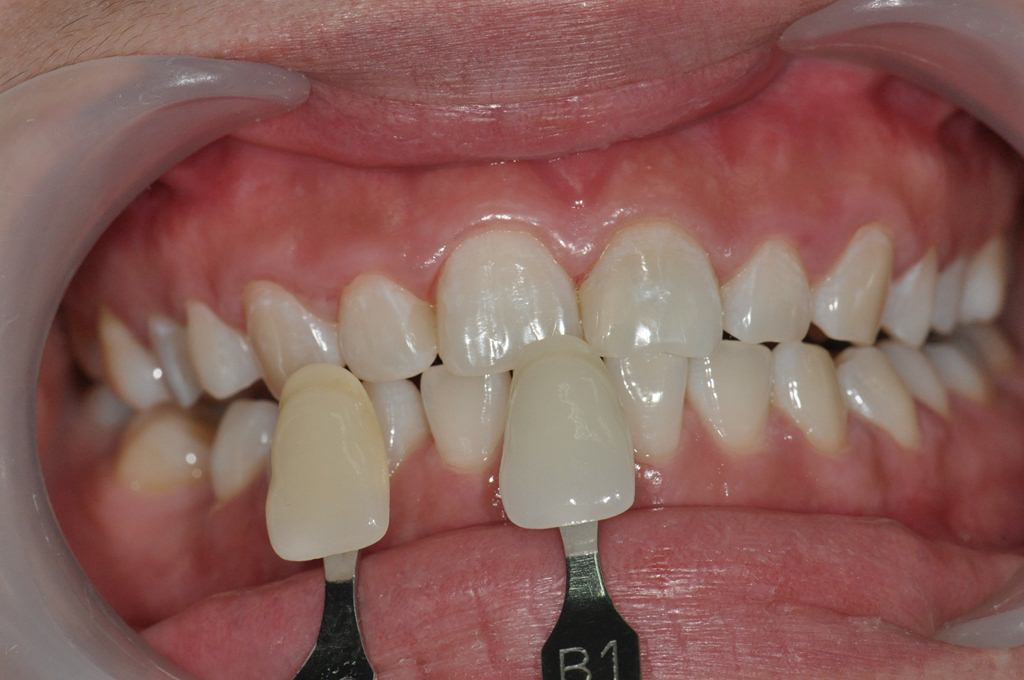
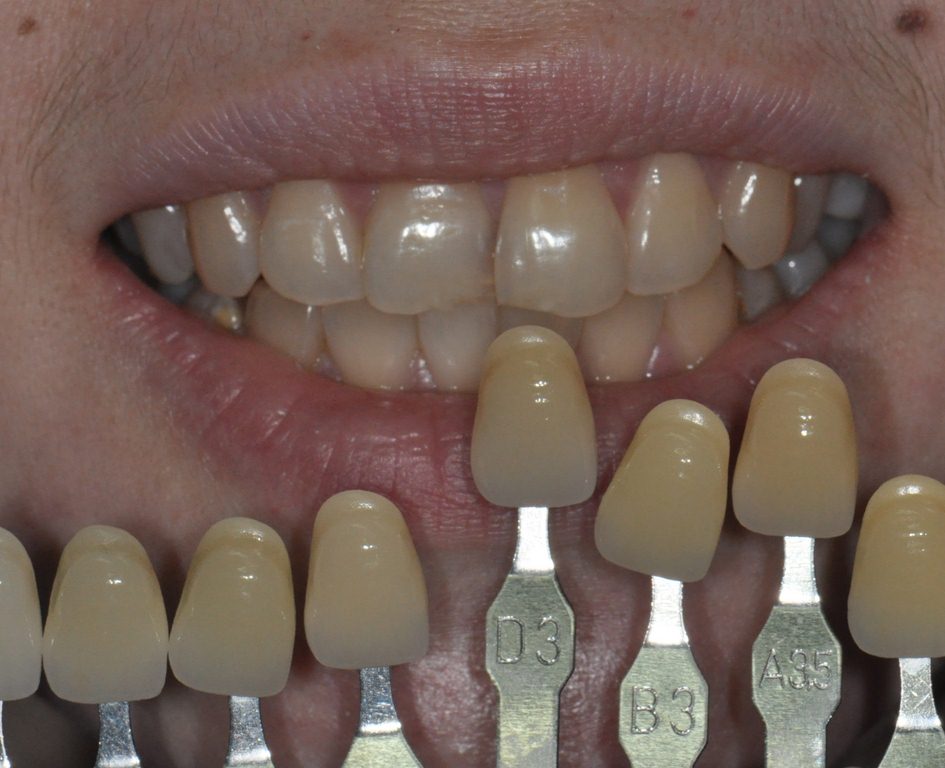
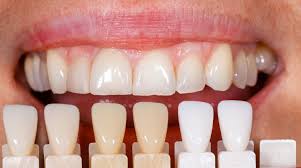
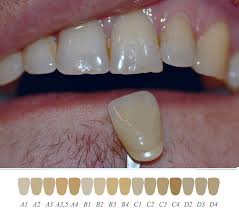
Tooth colour depends on the enamel and dentin. Enamel is the outermost layer and dentine which is just bellow the enamel. The colour of teeth is determined firstly by the actual colour of dentin which tends to be yellowish and then it depends on how many layers of the enamel are present there. The more layers present there means more translucent, the less layers of enamel means the shade of dentin appear and the colour of dentin is yellow so ultimately the colour of the tooth will appear yellow. The more layers means the shade of dentin will not be appear and the colour of the tooth looks white. No Artificial whitening method is there which change the colour like more layered enamel tooth.
As for milk teeth, they are whiter because there dentin is not fully developed which is yellowish in colour. so there is no question arises of yellowish teeth.
Many people have many doubts regarding colour of tooth.Many people says our teeth are yellowish and we would like to whiten it.
This is totally a myth .No body can change your colour of teeth even god himself.
This is natural colour which u got I am going to explain you about colour of teeth in different way Let us suppose that,A piece of charcoal on a table and we see it through a white thin cloth sheet. how it looks, The charcoal shade will appear slight less. And as we increase number of cloth sheets, the charcoal shade doesn’t appear and we see only white cloth.Just like it.There is dentin in our tooth which is yellow (just like charcoal) in colour and layers of crown(layers of cloth) on it.The person during growth having more layers of crown . the tooth appears white and another who has less layers he got little yellowish teeth accordingly . This is difference No need to go to dentist and ask for whitening of teeth. If you go he will charge you and definitely do things that will not suitable for your teeth.
so read all these things and see it practically. these are shades of colour like A1, A2, A3, B1, B2 and many more. these are all healthy teeth.
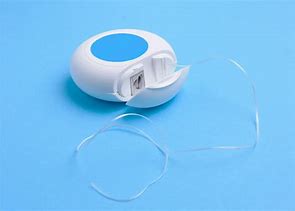
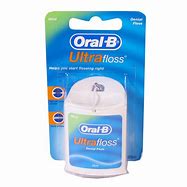
Flossing or cleaning of interdental spaces of teeth is very important. When we brush our teeth the space between teeth left behind. The consequences of that are :- Pseudo pocket, its a kind of problem in which patient complaining pain in tooth. the patient come with complaining of toothache, but when doctor put probe in between tooth structure you will jumped and said, yes this is the place where pain occur. the doctor will advice to go for scaling and warm water with little salt rinses, twice brushing, gum massage.
Actually what happened when you eat food, it gets stuck in that particular area and many person use their own way to remove that debris by paper pins or any improvised uncleaned tooth pick particularly the Indian use matchstick as a toothpick or backside of bidi. these are totally wrong methods and person will again and again come to dental clinic with this problem. so permanent solution is,
this occurs due to, the root cause is hygiene, it starts when we eat food, it get stuck and we use match stick to clear it, but the gap between increased and again food lodged more and more. the sticked food gets decomposed and antigen antibody reaction occur and leads to infection and inflammation and last you came to dental clinic with pain.so simple methods to avoid this just use interdental brush after dinner, and then brushing as per technique and then gum massage and more you can do is warm saline rinses. If u don’t care it then it leads to bone loss and again food more stuck in that particular area that leads to caries and last, exposure of root to external atmosphere. Then doctor give advice to go for rct or extraction of tooth.
Just small mistake that is careless ness of individual leads to wastage of nature gift, wastage of time and wastage of money.So pls do brush twice and do flossing once at least before go to bed.
TOOTH POLISHING is done to smooth the surfaces of teeth and restorations. The purpose of polishing is to remove extrinsic stains, remove dental plaque accumulation, increase aesthetics and to reduce corrosion of metallic restorations. Tooth polishing has little therapeutic value and is usually done as a cosmetic procedure after debridement and before fluoride application. Common practice is to use a prophy cup —a small motorized rubber cup—along with an abrasive polishing compound.
Polishing Paste
Polishing paste contains abrasives that vary in size, shape, and hardness. Based on these variants, pastes are available in fine, medium, coarse and super-coarse grits. There are also various flavours of prophylactic paste available. Some prophylactic pastes contain fluoride to aid in the remineralization of the enamel surface and others help reduce dentinal sensitivity.
Rubber cup
Rubber cups, also called prophy cups, are used in the hand-piece. Polishing paste, prophylactic paste, usually containing fluoride, is used with the rubber cups for polishing. Rubber cups should not be used over the cementum area as it may remove a layer of cementum at the cervical area. Risk of generating frictional heat, and increased abrasion to the tooth surface may result from increased contact time, increased speed of rotation, and increased pressure of the cup on the tooth. Short intermittent strokes should be used in order to avoid damage.
Bristle brush
Bristle brushes are used in the prophylaxis angle with a polishing paste. The use of the brush should be confined to the crown to avoid injury to the gingiva and cementum.
evidence suggest that prophylactic polishing is only necessary when extrinsic stain is present on the tooth surface. This suggests that tooth polishing should be based on the clients individual needs. Previously, tooth polishing was a service provided at every hygiene appointment, due to this many patients expect this as part of the routine care. This has placed dental professionals into an ethical dilemma on whether or not this service should be provided.
Extrinsic Stain
Many factors may lead to discoloration of the external layer of the tooth called the enamel. Foods and beverages such as coffee, tea, and red wine can stain the enamel. Chromogenic bacteria found in plaque that is left behind due to poor oral hygiene can also cause staining. Other external factors that can lead to extrinsic staining are smoking, some antimicrobial rinses, and environmental working conditions where there is exposure to metallic dust. In most circumstances this stain can be removed by prophylactic polishing.
Adverse Effect
This outermost fluoride rich layer of enamel is removed when tooth polishing is provided. The mineral components of saliva and polishing pastes containing fluoride can assist in remineralizing this outer layer. The enamel surface is strong enough to withstand repeated tooth polishing, but it should be avoided on newly erupted teeth, exposed root surfaces and areas of demineralization. If polishing does occur on these surfaces, fluoride therapy can minimize the risk of dental caries. Excessive pressure can lead to frictional heat that may cause pulpal discomfort or necrosis of the dental pulp.
Restorations
Surfaces of restorations may be damaged by conventional tooth polishing with prophylactic paste. Materials such as gold, amalgam, composite, porcelain and titanium implants can be polished by using specifically designed pastes such as those that contain rouge, tripoli, cuttle, emery, coarse pumice to prevent roughened or scratched surfaces. It is important to refer to manufacturer’s directions before using any product on dental restorations. Trauma to soft tissues may result from improper technique or prior inflammation of tissues. Particles within the prophylactic paste can go below the gum line and cause inflammation or delayed healing.
Environment
Aerosols are produced during tooth polishing and may transmit infectious diseases to other people in the dental office. This can become problematic because some microorganisms remain in the air for an extended period of time and can contaminate hard surfaces. Occupational injuries are also possible for the clinician due to improper technique, ergonomics and the weight of the handpiece.
There are a number of precautions that clinicians should be aware of when deciding if tooth polishing is indicated. Precautions include; teeth without existing stain, newly erupted teeth, tooth decalcification, hypo-calcification, hypoplasia, demineralization, rampant caries. Areas with exposed root surfaces should also be avoided as well as, areas with tooth sensitivity and gingival inflammation. Tooth polishing should also be avoided in the case of allergies and communicable diseases.
It is totally myth that scaling is painful, but there is little bit sensitivity.
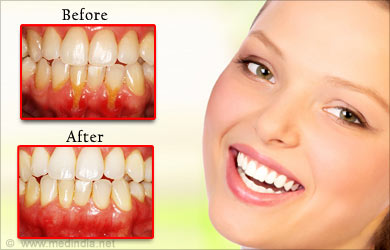
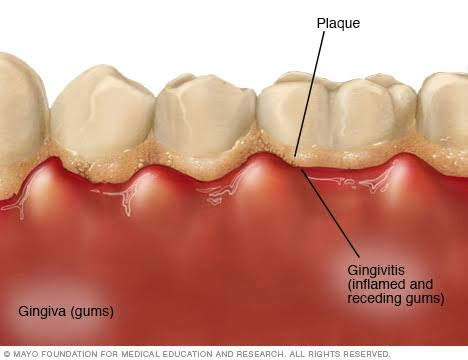
Scaling or cleaning of teeth in common language means dental prophylaxis procedure that involves removal of plaque, stains, calculus and any other debris other than tooth that cause gum disease. Gum disease also called as gingivitis if not treated with in time, the bacteria specially anaerobic started destroying supporting tissues including periodontal ligaments and the disease become periodontitis and again if not treated in time can work its way towards the foundation of teeth and cause damage to supporting structures (bone) of our teeth.
Scaling if done at a proper time, that is, every six months to remove calculus, the cycle of gum disease is broken and the onset of gum disease is prevented. But there are many misconceptions associated with scaling. My teeth got mobile after scaling; I will have gaps after scaling; My teeth will become sensitive. So let us discuss the real facts and myths associated with scaling.
First of all age-old notation associated with scaling that is completely baseless that teeth become weak and mobile after scaling. The scientific reason deposits are removed too late, at a stage when most of the bone has lost and teeth are temporarily cemented together with hard calculus. Thus after removal of calculus during scaling mobility sets in. Hence scaling doesn’t cause mobility of teeth but calculus over a period of time has damaged bone making the teeth lose.
In some cases, gaps are filled by tooth-coloured tartar. On removal of this tartar, the patient feels gap has been produced due to scaling. It is just like you are living in house with full of waste you do not have any problem, but the other who see it feels very awkward. And when you remove all waste items, broken furniture, repairing and denting painting it becomes very spacious. same in the case of teeth the waste when removed from that place it become spacious but the place become cleaned.
As the calculus is removed concealed part of tooth gets exposed to the oral environment leading to transient hypersensitivity. The sensitivity vanishes in a day or two or can be treated by sensitivity toothpaste.
Some feel that their teeth are grinded during cleaning of teeth. Heavy calculus is removed which is perceived as tooth material. Scaler tip vibrates when current is passed through hand piece.
most of the have seen that how to break the road. a large vibrator. same here the scaler tip vibrates and we put it on food debris and not on tooth to remove the calculus (type of stone in common language).
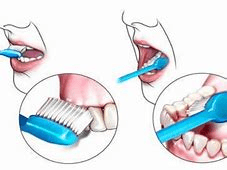
The key to preventing and controlling gum disease is brushing around and under the gum line where bacteria and plaque tend to accumulate. In the Bass method of brushing, the toothbrush bristles reach under the gums to scrub off plaque before it hardens into tartar and causes gum disease:
Place the toothbrush parallel to your teeth with the bristles toward the gums.
Tilt the brush to a 45 degree angle and move the bristles slightly under the gumline.
With firm but gentle pressure, and while maintaining the bristles under the gum tissue, wiggle or vibrate the brush back and forth or use a small circular motion 15 to 20 times, before moving to the next area. The brush should cover two to three teeth at a time.
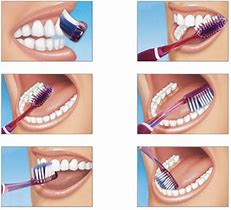
Brush the entire outer surface of the teeth and then continue the same technique on the tongue side.
To brush the insides of the front teeth, hold the toothbrush in a vertical position and use the bristles on the toe of the brush, but make sure they are getting under the gum tissue.
Brush the chewing surface of the molar teeth and don’t forget your tongue.
2. Stillman Technique
The Still man method of brushing is similar to the Bass technique; however, it may help clean more debris from between the teeth. To implement this method, follow the Bass technique, but after vibrating the brush under the gum area, move the brush toward the chewing surface of the tooth and use short back-and-forth strokes.
If you have spaces between your teeth, see exposed root surfaces or have had perio surgery or gum recession, your dentist may recommend the Charter method of brushing. This technique is also effective for people with ortho appliances or fixed partial dentures.
Place the bristles on the gumline at a 45 degree angle pointing toward the chewing surface or crown of the tooth. This position is the opposite of the Bass and Stillman technique.
Gently vibrate the brush for 15 to 20 counts, using short circular strokes or small back and forth motions, and then reposition the brush to the next area.
Move around the mouth in the same pattern, brushing all tooth surfaces, both inner and outer, as well as the chewing surfaces of the molars
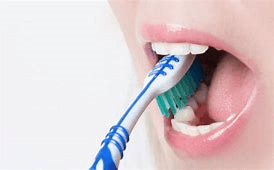
People generally brush forward and backward as u know. This is totally wrong method. The right way to do is just hold the brush softly with soft bristles and first gently apply paste to all your teeth and start from back of teeth. Put brush half on teeth and half on gums and gently pull downward for upper teeth and upward for lower teeth. Just remember don’t move your whole arm but only hand. Just like cricketer who played with arms with technique HOW IT RELATES TO PSYCHOLOGY This shows that that u do not your work properly with technique. Suppose u open the bonnet of your car and u want to clean it. Good and applicable Instruments are required to clean it in proper way That u have to learn if u want to increase the life of every part. If u don’t care it, it will also doesn’t care about you. And finally u will suffer definitely. Similarly if u don’t use proper Instruments and methods for proper cleaning of teeth. They will not care about you. And u will definitely suffer. It’s a fact
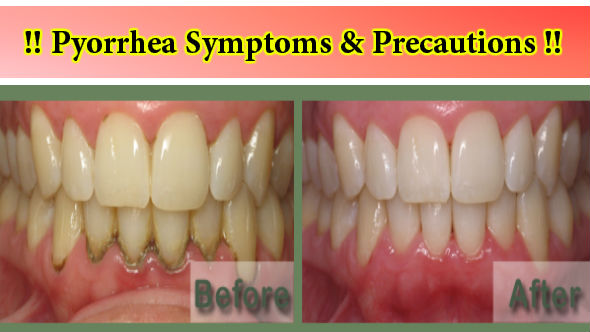
It occurs due to the deposition of calculus between tooth surface and gums, inflammation of gums, and how it occurs.
The inflammation of gums occurs due to the antigen antibody reaction, here antigen are anaerobic bacteria and antibodies which are produced by our body. any part of the body where there is bacteria the antibodies produced by our body, its a natural process. there will be fight occur between antigen antibody and the result is pus, inflammation and even fever.The calculus deposition occurs due to minerialisation of plaque again and again when you don’t brush your teeth twice a day.it becomes hard and becomes a shelter home for anaerobic bacteria under this the bacteria enjoy their party and release acids. and acid decompose your tooth and caries occur. so the main reason behind pyrohhea is inflammation of gums and calculus. And this occur due to carelessness and improper brushing technique. And specially not having brushing habit at night. It means when you don’t brush properly and twice a day. And if you don’t this, then
First stage is yellowish of TEETH
2nd stage is stains and calculus
3rd is loosening of gums from teeth.
AND FINALLY PYROHHEA OCCURS AND IF NOT TREATED IN TIME THEN FINALLY REMOVAL OF TETH
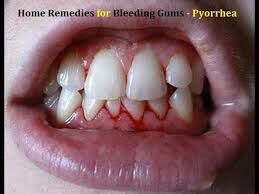
There are many more complications like bleeding during brushing, bad breath, low confidence with partner and many more. The best way to get rid of this problem is cleaning of teeth at any dental clinic. Brush twice a day, Mouth rinsing with warm water with little salt. Use of floss, interdental brush is good for teeth. Last but not the least ,how to brush that I will show you in next lesson. Pyorrhea relation with (psychology WHY PYORRHEA OCCURS, U KNOW NOW. HOW IT OCCURS, NOW U KNOW. This is your fault only, it show how much u caring, how much u disciplined, how much u punctual, How much u think of others. Firstly u have to overcome all these problems , Then u will definitely do something for others, Otherwise u will suffer whole life.








 oral health